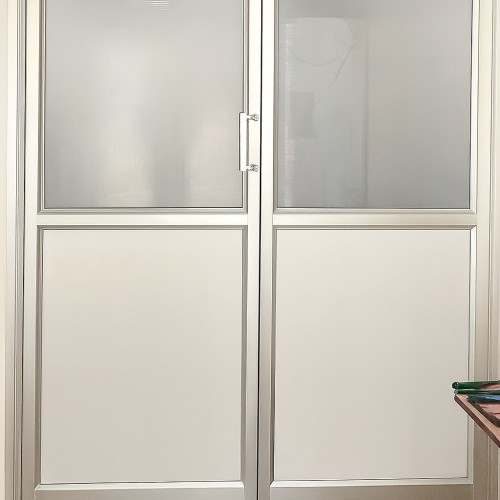
Aluminium Composite Panels (ACPs), also known as sandwich panels, are a flat building material consisting of two thin, rigid aluminium sheets bonded to a non-aluminium core. This core is typically made from polyethylene (PE) or a fire-retardant mineral-filled core. This composite structure combines the best properties of both materials: the aluminium outer layers provide a durable, weather-resistant, and paintable surface that can mimic other materials like wood or stone, while the lightweight core offers rigidity, insulation, and impact resistance without the significant weight of a solid aluminium sheet. The result is a versatile, lightweight, and easy-to-install panel that is available in a wide range of colors, finishes, and thicknesses to suit various design requirements.
The primary application of ACPs is in building facades, or cladding, for exterior walls, as well as for soffits, fascia, and signage. Their flatness, ease of fabrication, and modern aesthetic make them a popular choice for contemporary architectural design for both new constructions and renovations. Beyond exteriors, they are also widely used for interior applications such as partition walls, false ceilings, and retail displays. While standard polyethylene-cored ACPs have faced scrutiny in high-rise buildings due to fire safety concerns, the development and use of fire-resistant cores (such as mineral cores) have made modern, compliant ACPs a much safer option, allowing them to continue being a dominant material in the global construction industry.